
Making Room For Awe This Thanksgiving
Written by: Amy J Gartner, LCSW, Certified Brainspotting Therapist
Every November, we’re surrounded by the message that we should be grateful. Gratitude gets put on mugs, tea towels, and social media posts. But if you’re grieving someone you love, healing from trauma, or moving through a season of change, that message can feel like one more thing you’re failing at.
So first, let me say this: you don’t have to force gratitude, and you can feel thankful and heartbroken at the same time. As a grief and trauma therapist in Nashville, I often sit with people who feel pressured to be happy during the holidays. Real gratitude does not require you to ignore what hurts. It simply gives you permission to notice something good while also honoring what is difficult.
GRATITUDE DURING GRIEF IS NOT “LOOKING ON THE BRIGHT SIDE”
Real gratitude does not ask you to skip over your pain.
It does not say:
“At least you had them for as long as you did.”
“Everything happens for a reason.”
“You should focus on what you still have.”
That is pressure dressed up as positivity, and it usually leaves grieving people feeling even more alone.
Real gratitude is quieter. It can sit beside grief.
You can miss someone terribly and still feel thankful for the way they laughed, the recipe they made, the stories they told, or the way they made you feel safe.
In my work with people who are grieving, I often see that gratitude and sorrow are not opposites. They are two sides of love. We can hold both feelings at the same time.
WHAT GRATITUDE CAN DO IN THE BRAIN
Gratitude is more than a pleasant thought. Research suggests that experiencing and expressing gratitude involves areas of the brain connected to social bonding, emotional meaning, decision-making, and our understanding of value.
In one study, people who participated in gratitude-letter writing showed greater sensitivity to gratitude in the medial prefrontal cortex three months later. This does not mean that writing a gratitude list will instantly change how you feel. It suggests that practicing gratitude may help the brain become more responsive to experiences of appreciation and connection over time.
A larger review of gratitude interventions also found improvements in positive emotions and mental well-being, along with reductions in some symptoms of anxiety and depression.
Gratitude is not magic, and it is not a substitute for grief counseling or trauma therapy. However, it can become one gentle tool that helps your brain notice that pain is not the only thing present.
You do not have to deny what is hard to recognize what is also good.
THE POWER OF SMALL MOMENTS OF AWE
When life has been hard, big feelings of thankfulness may feel out of reach. That is okay.
Start smaller.
Awe and appreciation can show up through ordinary moments:
• Morning light coming through the window
• A warm cup in your hands
• A song that carries you back to a meaningful memory
• A friend who texts at exactly the right time
• The steady rhythm of your breath
• A familiar scent that reminds you of someone you love
• A few quiet minutes when no one needs anything from you
Small moments of appreciation can widen our view. They remind us that we are part of something larger than this one painful moment.
You do not have to feel grateful for the loss, trauma, or difficult circumstances. You are simply allowing yourself to notice that something comforting, meaningful, or beautiful can exist beside them.
LET YOUR BODY JOIN THE GRATITUDE PRACTICE
Gratitude is not only something we think. It can also be something we feel.
When you notice something good, pause for a moment and ask:
Where do I feel this in my body?
Maybe you notice a softening in your chest, a deeper breath, warmth in your belly, or less tension in your shoulders.
Stay with that sensation for two or three breaths. You do not have to make it bigger or hold onto it forever. Simply allow your body enough time to register the moment.
For people who have experienced trauma, taking in something good can initially feel unfamiliar or even uncomfortable. Go slowly. The goal is not to force a feeling. The goal is to gently notice what is already there.
GENTLE WAYS TO PRACTICE GRATITUDE THIS THANKSGIVING
START SMALL
Name one thing—just one—that felt even slightly good today. It might be a comfortable chair, a kind interaction, a good meal, or five quiet minutes.
HONOR WHO IS MISSING
Light a candle, prepare their favorite recipe, set a place, display a photograph, or share a favorite memory. Gratitude for someone who has died is still gratitude.
BE KIND TO YOURSELF ABOUT FOOD
Thanksgiving tables can stir up complicated feelings. Try meeting yourself with curiosity instead of judgment. You can feel thankful for nourishment while also being gentle with yourself about eating.
GIVE YOURSELF PERMISSION TO OPT OUT
If a gathering becomes overwhelming, it is okay to step outside, take a walk, find a quiet room, arrive late, or leave early. Protecting your peace is an act of care.
NOTICE SOMETHING WITH YOUR SENSES
Instead of trying to create a large emotional response, notice one thing you can see, hear, smell, taste, or feel. Let yourself experience it for a few breaths.
LET IT BE MESSY
Some moments may bring tears and thankfulness in the same breath. That is not doing gratitude incorrectly. That is being human.
WHEN THANKSGIVING FEELS HEAVY
This Thanksgiving, I hope you offer yourself the same compassion you would give someone you love.
If gratitude comes easily, let it fill you.
If it arrives in small flickers, let that be enough.
If it does not come today, you have not failed.
The holidays can intensify grief, trauma responses, loneliness, emotional eating, and the stress of major life transitions. You do not have to pretend everything is okay, and you do not have to carry the season alone.
If you are looking for grief counseling or trauma therapy in Nashville, Tennessee, I offer compassionate, trauma-informed support from my office on Music Row. Together, we can make room for the pain without losing sight of the possibility of connection, meaning, and hope.
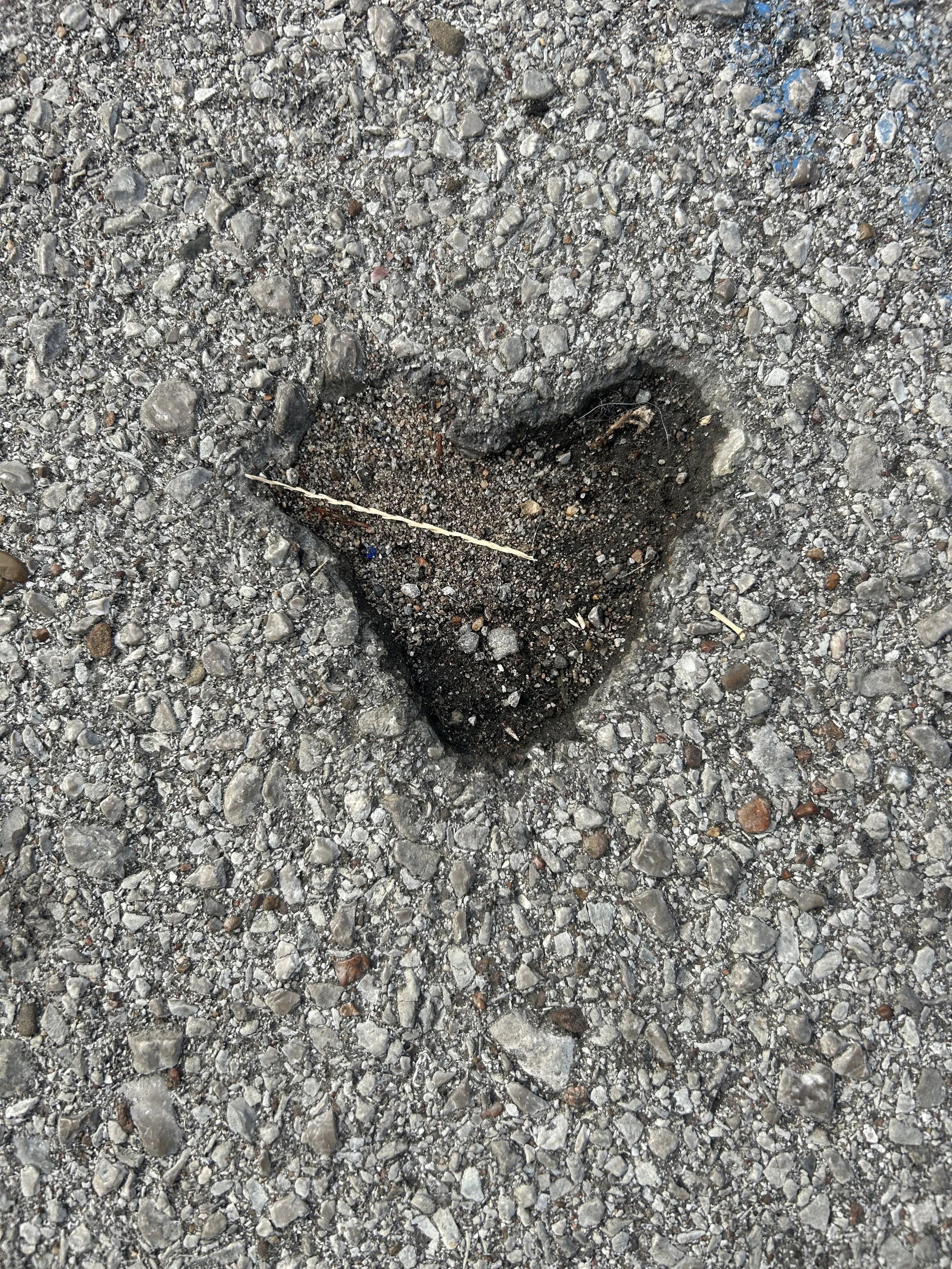
Photo by Tara Hinman
Always remember to take care of your precious self in whatever way you can.
Written by Amy J. Gartner, LCSW
Certified Brainspotting Therapist
Specializing in grief, trauma, Brainspotting, life transitions, and emotional eating